Orthodontic concerns are extremely common and can affect patients of all ages. While many people associate orthodontics with straightening teeth, treatment often addresses issues involving the bite, jaw alignment, and overall oral function. These conditions, known as malocclusions, can impact chewing, speaking, oral hygiene, and long-term dental health in addition to the appearance of your smile.
Malocclusions may be inherited or develop due to factors such as thumb sucking, prolonged pacifier use, early or late loss of baby teeth, dental trauma, or other oral health conditions. At Delta Smiles Orthodontics, Dr. Brent Sexton, Dr. Tiffany Louie, and our team provide personalized treatment plans designed to improve both the health and appearance of your smile.
Below are some of the most common orthodontic issues we treat for patients in Antioch, Brentwood, and surrounding East Bay communities.
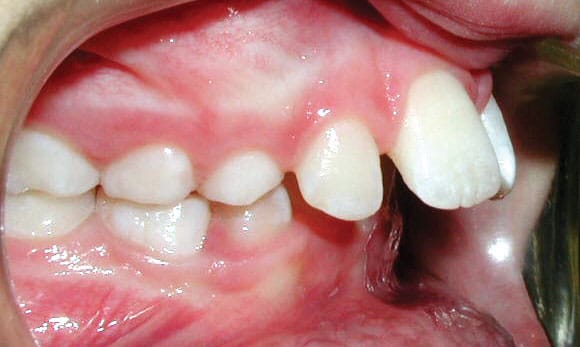
Upper Front Teeth Protrusion
When the upper front teeth extend too far forward, or the lower jaw does not project forward enough, the teeth can appear prominent or “stick out.” This condition can affect facial balance and increase the risk of injury to the front teeth during sports or everyday activities. Orthodontic treatment can help create a more balanced smile and improve overall function.
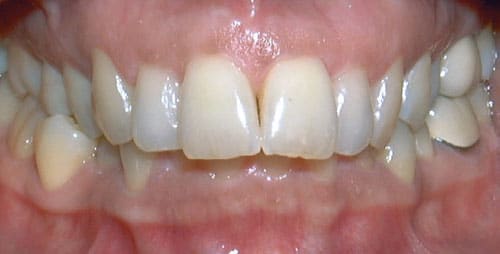
Overbite
An overbite occurs when the upper front teeth excessively overlap the lower front teeth. In more severe cases, the lower teeth may contact the roof of the mouth. Left untreated, a deep overbite can contribute to uneven tooth wear, jaw discomfort, and long-term dental problems.
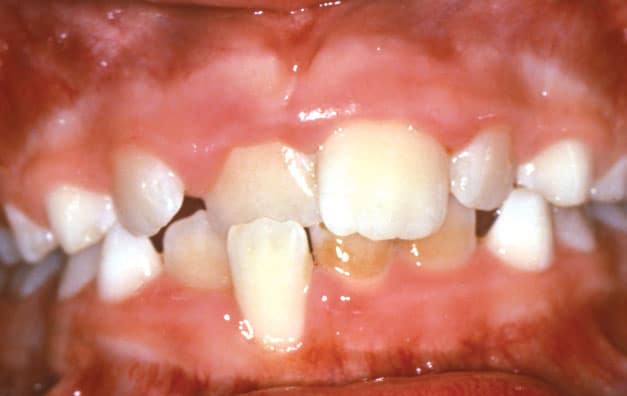
Crossbite
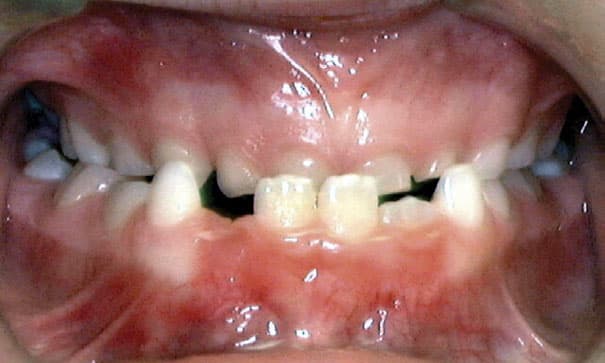
A crossbite develops when one or more upper teeth bite inside the lower teeth instead of outside them. This condition can affect the alignment of the jaw, contribute to uneven tooth wear, and potentially lead to asymmetrical jaw growth if not corrected. Early treatment is often beneficial for crossbite correction.
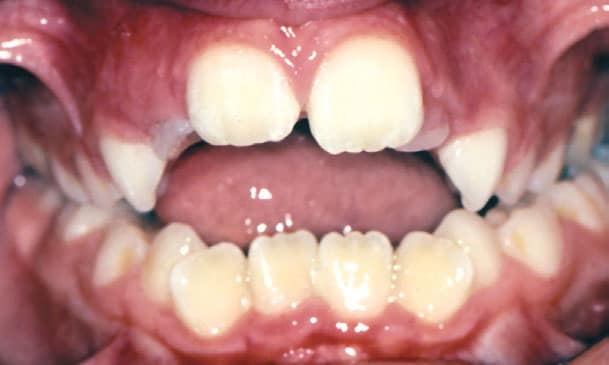
Openbite
With an open bite, the upper and lower teeth do not properly touch when the mouth is closed. This can make biting and chewing certain foods difficult and may also contribute to speech concerns. Open bites are sometimes associated with habits such as thumb sucking or tongue thrusting and often require orthodontic treatment to correct.
Crowding
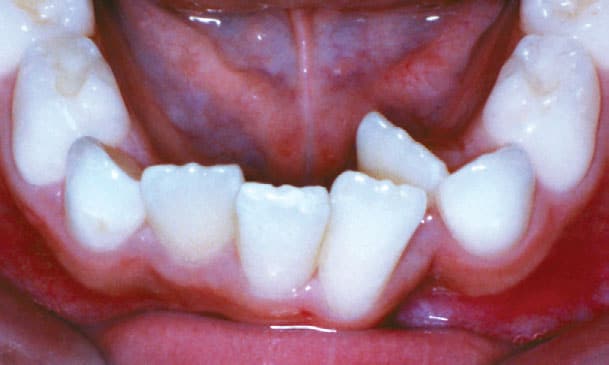
Crowding occurs when there is not enough space in the jaw for all teeth to fit properly. Teeth may overlap, rotate, or become misaligned, making them more difficult to clean effectively. Orthodontic treatment can often create the necessary space to properly align teeth and improve both oral health and smile aesthetics.
Spacing
Spaces between teeth can develop for a variety of reasons, including missing teeth, differences in tooth size, or natural jaw development. While some gaps are primarily cosmetic, others can affect bite function and oral health. Orthodontic treatment can close unwanted spaces and create a more balanced, attractive smile.
Underbite
An underbite occurs when the lower teeth extend in front of the upper teeth. This condition may affect chewing efficiency, speech, and jaw function. In some cases, an underbite can also contribute to excessive tooth wear and jaw discomfort. Orthodontic treatment can help improve bite alignment and overall oral function.